Get Foundation Stabilizing
Foundation stabilizing services help property owners fix issues like cracks, uneven floors, and settling by connecting them with local contractors experienced in underpinning and repair projects.
If you're noticing signs of shifting or settling in your property, foundation stabilizing services could be an important consideration. Property owners in the area often explore these solutions to protect their investments, prevent further damage, and maintain the safety and stability of their homes or commercial spaces. Whether you're planning a renovation, preparing for resale, or simply want peace of mind, understanding your options and connecting with experienced local contractors can help you make informed decisions.
Comparing available foundation stabilization services from qualified local providers allows property owners to find solutions tailored to their specific needs. Many local contractors offer expertise in assessing foundation conditions, recommending effective stabilization methods, and ensuring the longevity of your property. Keep reading to learn more about how these services can support your property’s stability and how to find trusted professionals in your area.
- Foundation Stabilizing - homeowners noticing uneven floors or cracks may need this work to restore stability.
- Foundation Stabilizing - property owners experiencing shifting or sinking foundations should consider local contractors for repair solutions.
- Foundation Stabilizing - new construction or remodeling projects may require stabilization to ensure a solid foundation.
- Foundation Stabilizing - structures showing signs of settling or cracking might benefit from professional stabilization services.
- Foundation Stabilizing - in cases of foundation movement due to soil issues, local service providers can assess and address the problem.
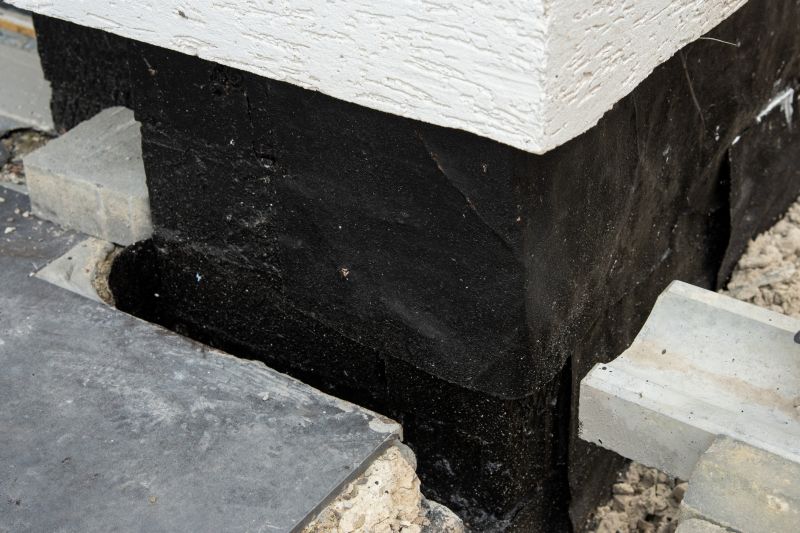
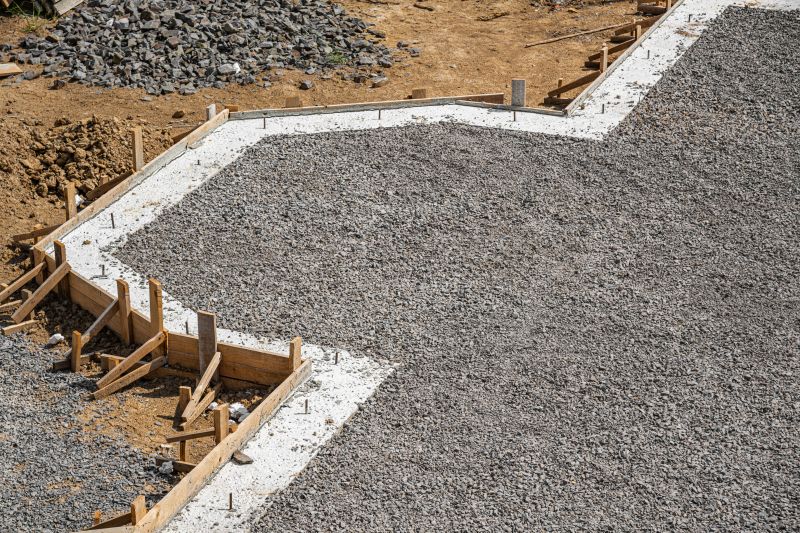
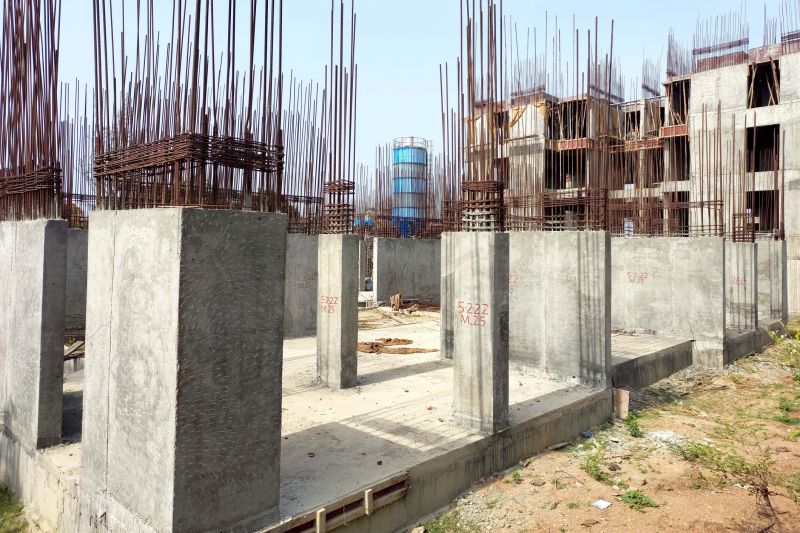
Foundation stabilizing services involve specialized techniques to reinforce and support a building’s foundation when it shows signs of shifting or settling. These services typically include methods such as underpinning, piering, or installing helical piles to restore stability. The goal is to prevent further movement, protect the structural integrity of the property, and create a safer, more stable environment for homeowners. Local contractors experienced in foundation stabilization can assess the specific issues affecting a property and recommend the most effective solutions to address them.
Problems that lead homeowners to seek foundation stabilizing services often include uneven floors, visible cracks in walls or ceilings, doors and windows that no longer close properly, or noticeable settling of the property. These issues can be caused by a variety of factors such as soil movement, water drainage problems, or natural settling over time. Addressing foundation concerns early can help prevent more extensive and costly repairs down the line. Professional stabilization techniques are designed to target the root causes of foundation movement and provide long-term support.
Foundation stabilizing is commonly used in properties that are experiencing structural shifts, including homes built on expansive clay soil, areas prone to flooding, or sites with poor drainage. Both older homes and newer constructions can benefit from stabilization if they show signs of foundation distress. Residential properties, including single-family homes, townhouses, and even some multi-unit buildings, may require foundation reinforcement to maintain safety and stability. Local service providers have the expertise to evaluate the specific needs of each property and recommend appropriate stabilization methods.
Homeowners who notice signs of foundation movement or structural issues should consider foundation stabilizing services to protect their investment. These services are suitable for properties experiencing uneven floors, cracked walls, or doors that won’t latch properly. By working with experienced local contractors, homeowners can find solutions tailored to their property’s unique conditions. Proper stabilization not only helps preserve the value of the home but also ensures a safer living environment for all occupants. Contact local pros to learn more about how foundation stabilization can address specific concerns.
The overview below groups typical Foundation Stabilizing projects into broad ranges so you can see how smaller, mid-sized, and larger jobs often compare in your area.
In many markets, a large share of routine jobs stays in the lower and middle ranges, while only a smaller percentage of projects moves into the highest bands when the work is more complex or site conditions are harder than average.
Smaller Repairs - typical costs for minor foundation stabilizing work usually range from $250-$600. Many routine jobs fall within this range, covering small cracks or localized adjustments. Larger, more complex repairs can exceed this amount but are less common in this category.
Moderate Projects - for more substantial stabilization efforts, local contractors often charge between $1,000 and $3,000. This range covers common projects like soil stabilization or pier adjustments, which are frequent among homeowners. Projects reaching higher costs are less typical but possible depending on scope.
Significant Stabilization - larger, more involved foundation stabilization services typically cost between $3,500 and $7,000. Many projects in this band involve multiple areas or extensive underpinning, with fewer jobs reaching the upper end of this range.
Full Foundation Replacement - complete foundation replacement can range from $10,000 to $30,000 or more, depending on size and complexity. Such projects are less common and usually reserved for severe structural issues requiring extensive work by local service providers.
Actual totals will depend on details like access to the work area, the scope of the project, and the materials selected, so use these as general starting points rather than exact figures.
Soil Stabilization Projects - local contractors use similar techniques to improve ground stability, which is essential for foundation support and preventing shifting issues.
Retaining Wall Construction - building retaining walls requires understanding of soil pressure and load distribution, skills applicable to foundation stabilization efforts.
Basement Waterproofing - waterproofing involves managing moisture and soil conditions around foundations, aligning with foundation stabilization planning.
Drainage System Installation - installing proper drainage helps reduce soil erosion and water buildup that can compromise foundation integrity.
Site Excavation and Grading - preparing and leveling the ground ensures a stable base, which is a key component in foundation stabilization projects.
Underpinning Services - underpinning strengthens and stabilizes existing foundations, sharing techniques with foundation stabilization services.
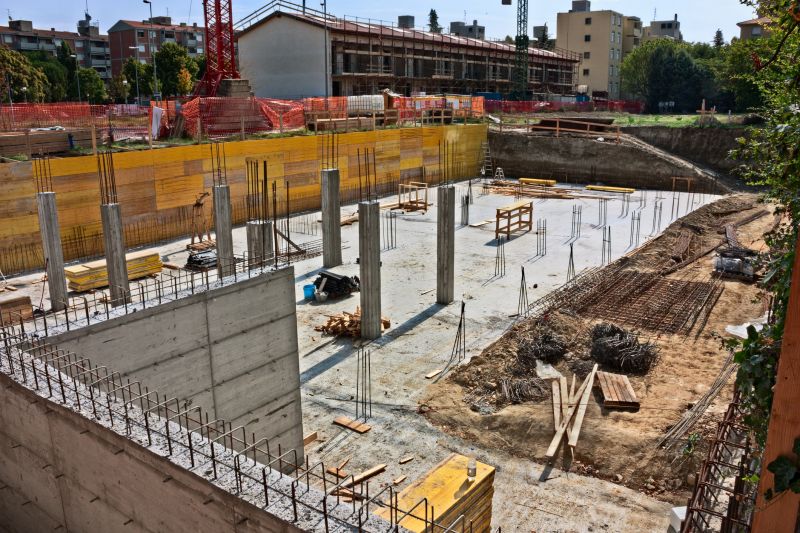
When comparing foundation stabilizing service providers, it’s important to consider their experience with similar projects. Homeowners should look for local contractors who have a proven track record of successfully handling foundation stabilization tasks comparable to their own. Asking about past projects or requesting examples can help gauge whether a service provider has the necessary expertise to address specific foundation issues effectively.
Clear, written expectations are essential to ensure that both parties understand the scope of work, materials to be used, and the overall process. Homeowners should seek providers who can provide detailed written estimates or descriptions of the services offered. This transparency helps prevent misunderstandings and ensures that the project’s goals are well-defined from the outset.
Reputable references and effective communication are key factors when choosing a foundation stabilizing contractor. Homeowners are encouraged to ask for references from previous clients or check reviews to confirm the quality of work. Additionally, service providers who communicate clearly, respond promptly to inquiries, and are willing to answer questions thoroughly can make the process smoother and more predictable. It’s important to remember that this site introduces homeowners to local options, not that it performs the work itself.
Property owners use Foundation Stabilizing services for practical projects around their homes and businesses. This guide focuses on everyday jobs and straightforward project options.
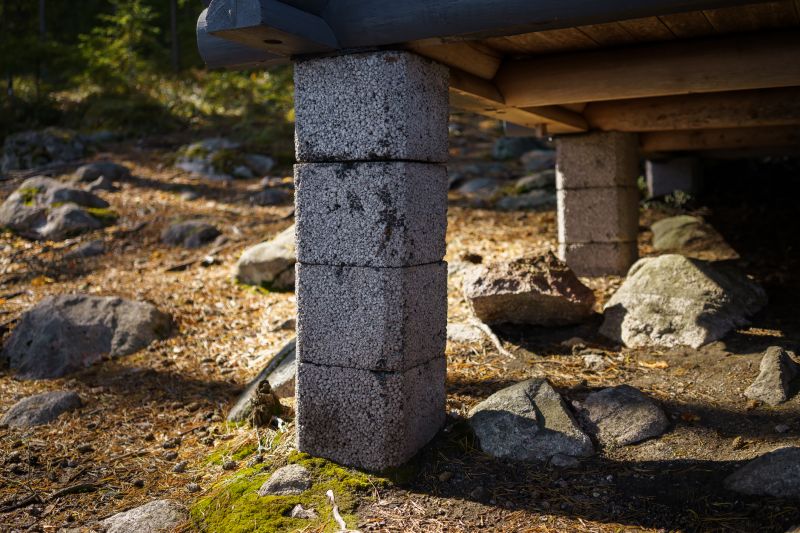
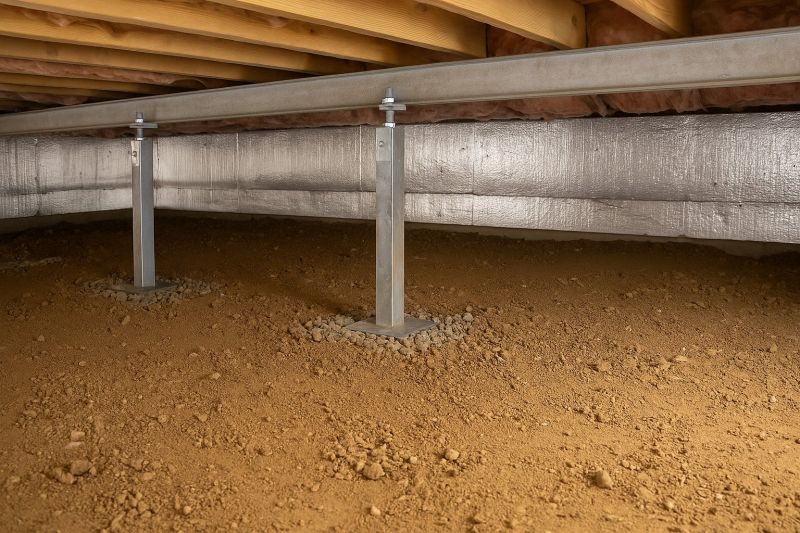
Foundation stabilizing services are often needed when property owners notice signs of shifting or settling in their homes. Common situations include uneven floors, cracked walls, or doors and windows that no longer close properly. These issues can arise from natural ground movement, poor soil conditions, or previous construction problems, prompting homeowners to seek the expertise of local contractors who specialize in stabilizing foundations to help restore stability and safety.
Many property owners turn to local service providers for foundation stabilization when preparing to sell their homes or address ongoing structural concerns. In some cases, recent weather events or changes in moisture levels can cause foundation movement, leading owners to look for professional assessment and repair solutions. Local pros can evaluate the situation and recommend appropriate stabilization methods to help protect the property’s integrity and maintain its value.
What are foundation stabilizing services? Foundation stabilizing services involve techniques to reinforce and support a building's foundation, helping to prevent or repair settling and shifting issues.
How do foundation stabilization methods work? These methods typically include installing underpinning, piers, or other supports to evenly distribute the building's weight and improve stability.
What signs indicate a need for foundation stabilization? Indicators include persistent cracks in walls or floors, uneven flooring, doors or windows that stick, and visible foundation settling or shifting.
Can foundation stabilization be combined with other repairs? Yes, foundation stabilization can often be integrated with repairs for related issues such as basement waterproofing or wall reinforcement.
How do local contractors determine the best stabilization approach? They assess the specific foundation issues, soil conditions, and building structure to recommend the most appropriate stabilization techniques.
Foundation Stabilizing Solutions - Property owners can explore stabilizing services to address uneven or sinking foundations caused by soil shifts or moisture changes.
Foundation Reinforcement Options - Local contractors offer reinforcement methods to strengthen weakened foundation areas, helping to prevent further settling or cracking.
Soil Stabilization Techniques - Homeowners experiencing shifting ground beneath their property may consider soil stabilization to improve ground stability and support the foundation.
Foundation Repair Planning - Those planning renovations or additions can consult local service providers to assess foundation stability and develop appropriate stabilization strategies.
If you are thinking about Foundation Stabilizing for a property, this guide is meant to help you understand the work, the typical project types, and how different options might fit your plans.
When you are ready, you can use the quote form on this page to share a few details about your project. From there, local pros can review the basics and respond with options that match what you have in mind.